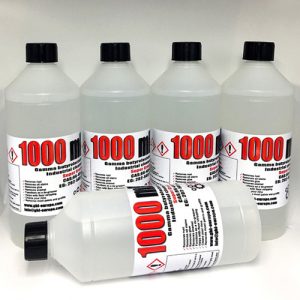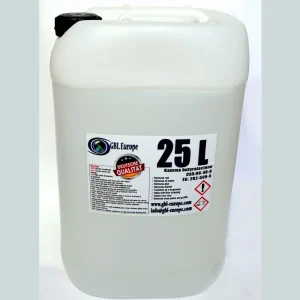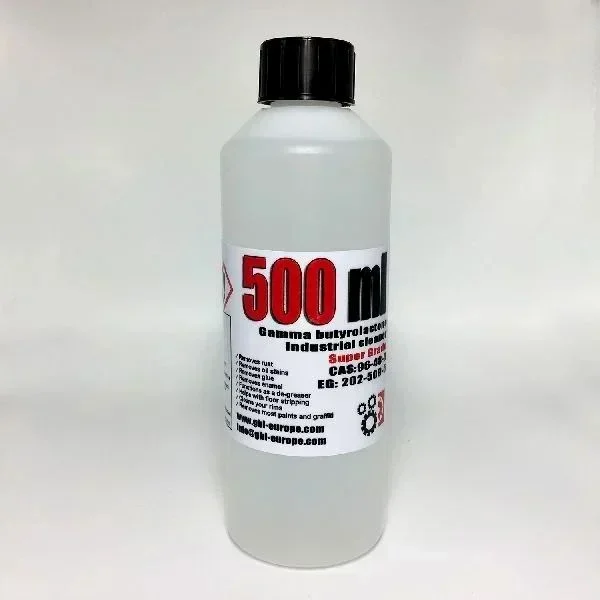
Gamma-Butyrolactone Price, The gamma-butyrolactone price is influenced by a variety of factors, including production costs, industrial demand, regulatory requirements, transportation expenses, and market availability. Gamma-butyrolactone (GBL) is a chemical compound commonly used in industrial manufacturing, specialty chemical production, cleaning applications, and laboratory settings. As global markets evolve, understanding the factors that affect the gamma-butyrolactone price can help businesses make informed purchasing decisions.
What Is Gamma-Butyrolactone?
Gamma-butyrolactone, often abbreviated as GBL, is a colorless liquid with a wide range of industrial applications. It serves as a solvent and intermediate in various manufacturing processes. Due to its versatility, demand for GBL can fluctuate across multiple industries, directly impacting the gamma-butyrolactone price in regional and international markets.
Factors Affecting Gamma-Butyrolactone Price
1. Raw Material Costs
The cost of producing GBL depends heavily on the price of raw materials used during manufacturing. When feedstock prices increase, manufacturers often adjust their pricing, leading to higher gamma-butyrolactone prices.
2. Supply and Demand
Like many industrial chemicals, the gamma-butyrolactone price is closely tied to supply and demand. Increased industrial activity can drive demand higher, while production disruptions may reduce supply and contribute to price increases.
3. Regulatory Requirements
Regulations governing the production, transportation, and handling of chemicals can significantly affect the gamma-butyrolactone price. Compliance costs, licensing requirements, and safety measures may influence overall market pricing.
4. Transportation and Logistics
Shipping costs, fuel prices, and international trade conditions can impact the final gamma-butyrolactone price. Global supply chain disruptions often lead to temporary price fluctuations in chemical markets.
5. Production Capacity
Manufacturing capacity plays a major role in determining market availability. When producers expand output, prices may stabilize. Conversely, facility maintenance or production shortages can contribute to rising gamma-butyrolactone prices.
Global Market Trends
The global chemical industry continues to evolve, creating both opportunities and challenges for suppliers and buyers. Market analysts monitor industrial growth, environmental regulations, and economic conditions to evaluate future gamma-butyrolactone price trends. Businesses that track these developments can better plan procurement strategies and manage costs effectively.
How Businesses Monitor Gamma-Butyrolactone Price Changes
Many organizations regularly review:
- Industry market reports
- Chemical commodity indexes
- Supply chain updates
- Manufacturing output statistics
- Regulatory announcements
Monitoring these factors helps companies anticipate potential changes in the gamma-butyrolactone price and maintain stable operations.
Conclusion
The gamma-butyrolactone price is influenced by a combination of market demand, raw material costs, regulatory requirements, logistics, and production capacity. Understanding these factors provides valuable insight into pricing trends and helps businesses make informed decisions when sourcing industrial chemicals. As market conditions continue to change, staying informed remains essential for effective cost management and long-term planning.